I've been obsessed with making the most out of my solar panels. The thing that really bugged me was seeing all that beautiful solar energy going to waste during the day while my expensive appliances were running at night on grid power. It felt like I was throwing money away!
So I decided to build something that would actually use that solar energy intelligently. The goal was simple: make my high-energy appliances like heaters and water heaters run when the sun is shining, not when I need them.

The Problem: Wasted Solar Energy
Most smart home setups are pretty dumb when it comes to energy. They'll turn on your heat pump at 6 PM when solar production is zero, forcing you to buy expensive grid power. Meanwhile, all that beautiful solar energy from midday is just... gone.
The traditional approach sucks because:
- Appliances run when you need them, not when energy is available
- No one cares about energy source - it's all the same to them
- Excess solar energy just disappears into the grid
- You end up buying expensive power when solar isn't producing
My Solution: Smart Energy Management
I built an automation system that actually thinks about energy. Instead of just turning things on when I need them, it turns them on when I have solar power to spare.
The Tech Stack That Makes It Work
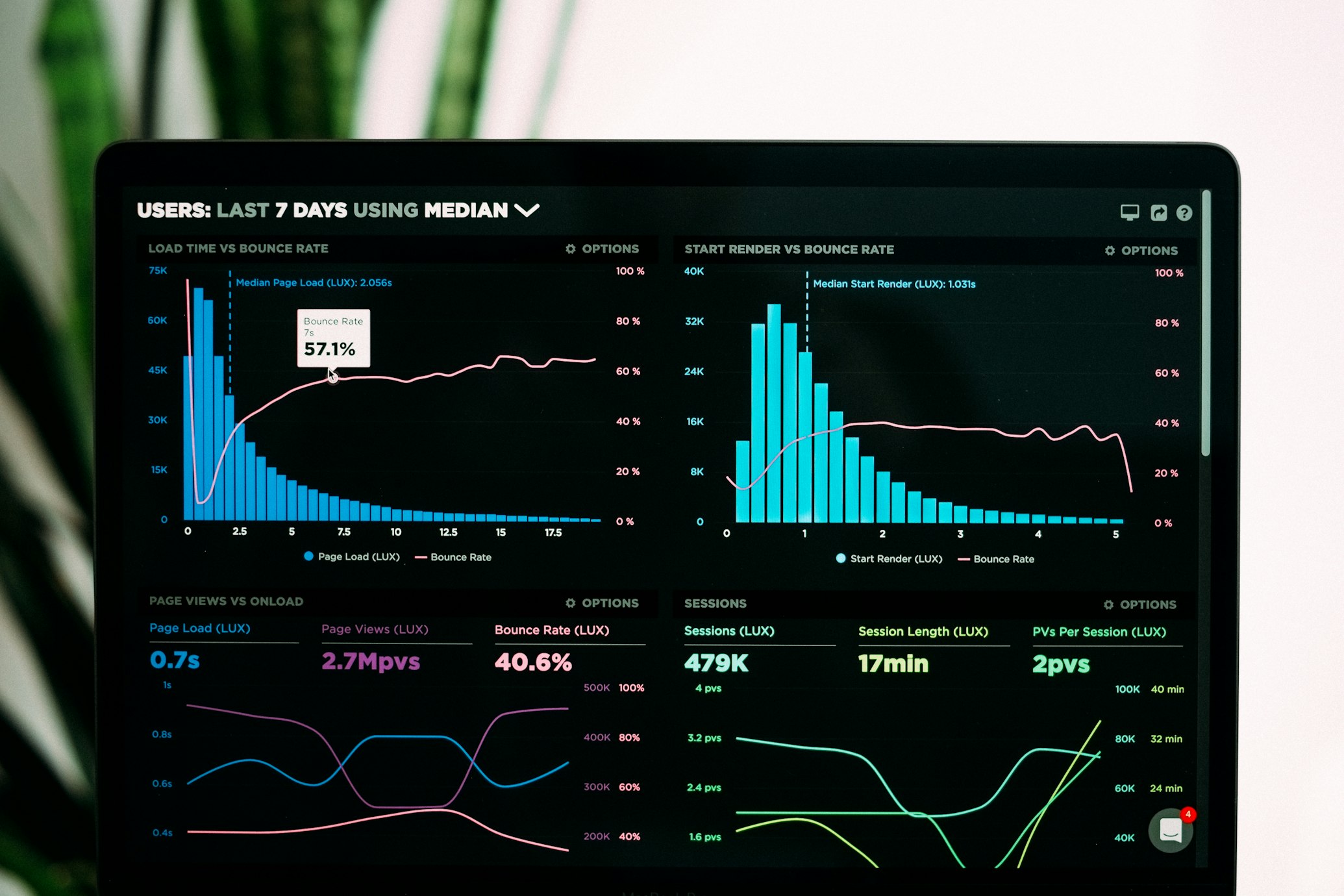
Home Assistant is the brain of the operation. It's where all my devices talk to each other and where I manage my priority lists through a custom dashboard. Every smart device in my house connects through Home Assistant, creating one unified system.
Node-RED handles the complex automation logic. This visual programming tool lets me create flows that would be impossible with simple automation rules. I can build multi-condition logic, integrate weather data, and create sophisticated decision trees.
Victron inverters are amazing for this. They have incredible Home Assistant integration through their Venus OS platform, giving me real-time data on solar production, battery status, and grid import/export. The integration is so smooth it feels like magic.
Shelly plugs and Sonoff relays control all my appliances. These devices are perfect because they work locally (no cloud dependency), have built-in energy monitoring, and integrate seamlessly with Home Assistant.

How the Priority System Works
I've organized my appliances into three tiers based on how much energy they use and how flexible they are:
Tier 1 - The Big Energy Users:
- Heat pump (2-4kW) - runs when there's lots of solar
- Water heater (1.5-3kW) - heats up during peak production
- EV charger (3-11kW) - charges when solar is abundant
- Pool pump (1-2kW) - runs during surplus
Tier 2 - Flexible Appliances:
- Dishwasher (1.2-2kW) - runs when there's decent solar
- Washing machine (0.5-2kW) - flexible timing
- Dryer (2-4kW) - waits for good solar conditions
Tier 3 - Low Priority:
- Battery chargers (0.5-1kW) - opportunistic charging
- Dehumidifiers (0.3-0.8kW) - runs on excess energy
How It Actually Works
The system is pretty clever. It continuously monitors my solar production through the Victron inverter and calculates how much extra energy I have available. Then it checks my priority list and turns on the highest priority device that fits within the available energy.

The Decision Process
- Monitor solar production - Victron gives me real-time data every few seconds
- Calculate surplus - How much energy do I have after base consumption?
- Check priorities - Which devices can I turn on with this energy?
- Activate devices - Turn on the highest priority device that fits
- Keep monitoring - Adjust as conditions change throughout the day
Weather Integration
This is where it gets really cool. The system doesn't just look at current solar production - it also considers weather forecasts. If tomorrow is going to be cloudy, it might prioritize running the water heater today during peak production instead of waiting.
The weather integration helps the system make smarter decisions about when to use available energy versus when to save it for later.
Learning and Adaptation
The system learns from patterns over time. It tracks which devices use how much energy, how long they typically run, and seasonal variations in solar production. This data helps optimize the priority lists and timing automatically.
What I've Learned So Far
After running this system for a while, I'm genuinely excited about the results. Here's what's actually happening:
The Good Stuff:
- My high-energy appliances now run almost exclusively on solar power
- I'm buying way less energy from the grid during peak hours
- The system actually works - it's not just a cool project, it's saving me money
- Zero manual intervention needed - it just works
The Technical Side:
- Home Assistant + Node-RED + Victron integration is incredibly powerful
- Shelly and Sonoff devices are rock solid for this kind of automation
- Weather integration makes a huge difference in decision quality
- The priority system actually makes sense and works in practice
What Surprised Me:
- How much energy I was wasting before
- How well the system adapts to different weather conditions
- How satisfying it is to see appliances running on "free" solar energy
- How reliable the whole setup has been
Key Takeaways
Building this system taught me some important lessons:
Start Simple: Begin with basic priority lists and simple thresholds. You can always add complexity later.
Monitor Everything: The more data you have, the better decisions the system can make. Invest in good monitoring from the start.
User Override: Always allow manual control. Automation should enhance, not replace, user control.
Fail Gracefully: If solar monitoring fails, the system should fall back to sensible defaults rather than breaking.
Local Control Matters: Avoid cloud dependencies for critical functions. Everything should work even if the internet is down.
What's Next
The system continues to evolve. I'm planning to add:
- Battery storage integration for even more optimization
- Machine learning for better prediction accuracy
- Community features to share excess energy with neighbors
- Mobile app for better monitoring and control
Wrapping Up
This solar automation system has been one of my favorite projects. It's not just a cool tech demo - it's actually saving me money and making my home more efficient.
The combination of Home Assistant, Node-RED, Victron inverters, and Shelly/Sonoff devices creates something that's both powerful and practical. It's not just about using renewable energy - it's about using it intelligently.
What I love about this setup:
- It actually works and saves money
- The tech stack is solid and reliable
- It's constantly learning and improving
- I can monitor and control everything from one place
- It's expandable - I can keep adding devices and features
The key insight: Energy management isn't just about using less energy - it's about using the right energy at the right time. With solar panels and smart automation, you can finally align your energy consumption with renewable energy production.
This system has been running for over a year now, and I'm still excited about it. If you're interested in building something similar, I'd be happy to share more details about the technical implementation or help you get started.
The future of home energy management is here, and it's pretty awesome.